
Is There a Global Shift Toward Smarter Cities?

Cities around the world are experiencing rapid technological transformation as governments and urban planners seek more efficient ways to manage growing populations and increasing demands on public services. The concept of a smart city centers on using digital technology, connected infrastructure, and data-driven decision-making to improve the quality of urban life. Rather than focusing solely on technological innovation, smart city development aims to create environments that are more sustainable, efficient, and responsive to the needs of residents. As more countries invest in digital infrastructure, there is growing evidence of a global shift toward smarter cities that integrate technology into everyday urban operations.
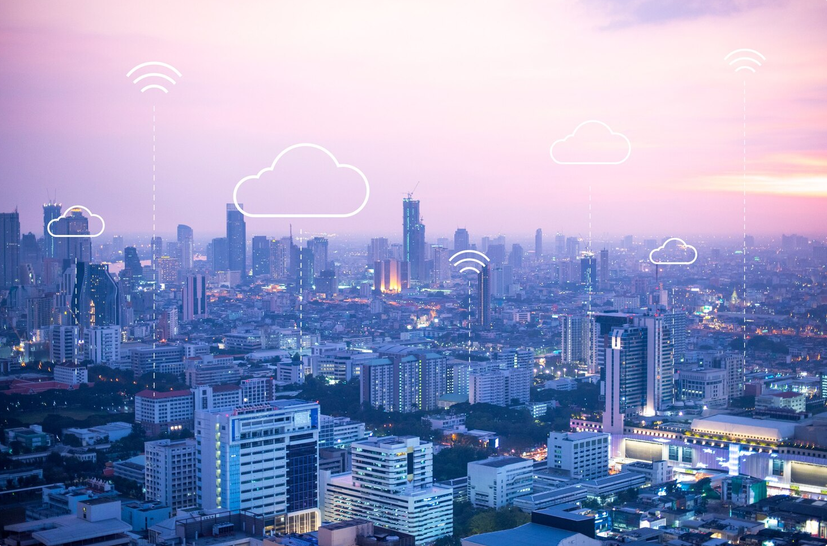
Understanding the Concept of Smart Cities
A smart city uses digital technologies to improve the management of transportation, energy, water, waste, public safety, and other essential services. Sensors, communication networks, and data analysis systems collect information that helps city authorities monitor conditions and make informed decisions. This approach allows urban services to respond more efficiently to changing circumstances while improving resource management. Although the specific technologies vary between cities, the overall objective is to create communities that operate more effectively through better use of information and connected systems.
Technology Driving Urban Innovation
Advances in digital technology have accelerated the development of smart cities across the world. High-speed internet, cloud computing, artificial intelligence, and the Internet of Things enable connected devices to communicate and share information in real time. These technologies support intelligent traffic management, energy-efficient lighting, environmental monitoring, and improved public transportation systems. As digital infrastructure becomes more widely available, cities gain greater opportunities to modernize public services and improve residents’ daily experiences.
Supporting Sustainability and Resource Management
One of the primary goals of smart city development is to improve sustainability by using resources more efficiently. Digital monitoring systems help manage electricity consumption, water distribution, and waste collection with greater accuracy. Transportation technologies can also reduce traffic congestion and improve the movement of people throughout urban areas. By using data to optimize essential services, smart cities aim to reduce environmental impacts while supporting long-term urban growth and resilience.

Challenges Facing Smart City Development
Despite growing interest in smart cities, their development also presents important challenges. Building advanced digital infrastructure requires significant investment, long-term planning, and ongoing maintenance. Privacy and cybersecurity remain important considerations because connected systems collect and process large amounts of information. Differences in economic resources and technological readiness also mean that cities progress at different rates. Addressing these challenges is essential to ensuring that smart city initiatives remain effective, secure, and accessible to diverse populations.
The Future of Connected Urban Living
The global movement toward smarter cities is expected to continue as technology becomes increasingly integrated into urban environments. Future developments may include more advanced automation, expanded use of renewable energy systems, and greater coordination between public services through connected digital platforms. Continued innovation is likely to improve how cities respond to changing environmental, economic, and social conditions. As technology evolves, smart city initiatives will continue shaping the way urban communities function and adapt to future challenges.
There is clear evidence of a global shift toward smarter cities as governments and communities invest in digital technologies to improve urban living. By combining connected infrastructure, real-time data, and efficient resource management, smart cities seek to create more sustainable, responsive, and well-organized environments. Although challenges such as infrastructure costs and data security remain important, continued technological progress is driving widespread adoption around the world. The ongoing development of smart cities reflects a broader commitment to using innovation to improve the quality of life in modern urban communities.…

 Listening to music isn’t just a pleasurable pastime; it’s also incredibly beneficial for your health. Numerous studies have shown that music has the power to reduce stress, lower blood pressure, and even improve cognitive function. When we listen to our favorite tunes, our brain releases feel-good chemicals like dopamine, which can elevate our mood and increase happiness. But the benefits don’t stop there! Music has been found to boost immune function, leading to a stronger defense against illnesses and diseases. It can also act as a natural pain reliever, distracting us from discomfort and reducing anxiety levels.